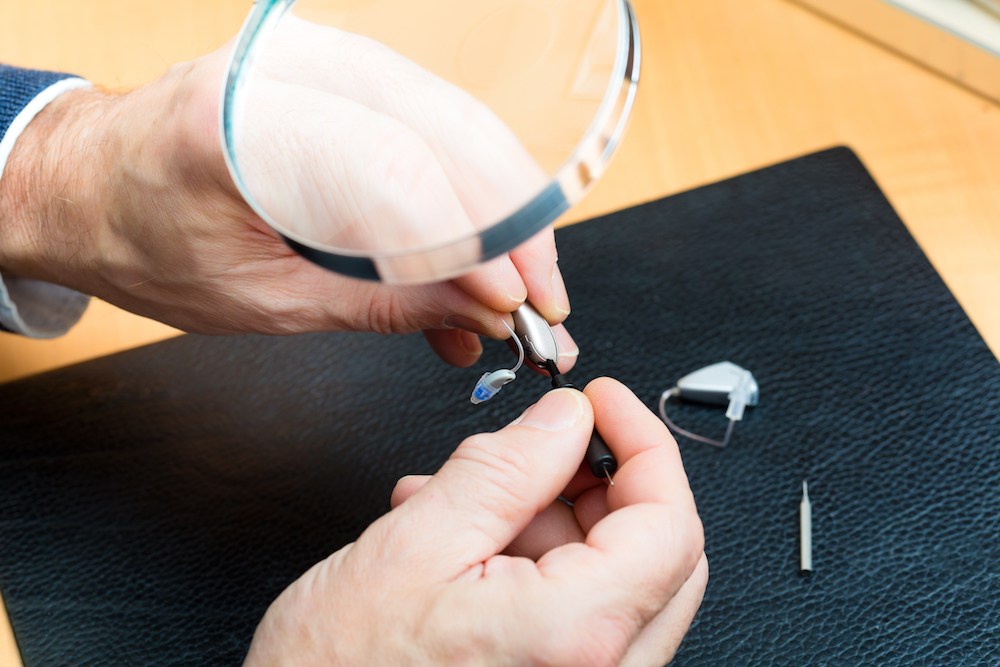
Hearing aids get put through a little bit of everything. You might scrape frost off the windshield in the morning or spend a humid evening outside a few months later when the air feels heavy.
Add sweat from mowing the lawn or a walk along the Lansing River Trail, and the small device in your ear ends up exposed to plenty of moisture throughout the year. Most people never stop to think about how much those conditions add up.

Much of the recent progress has focused on keeping moisture away from the electronics. Older devices were more vulnerable to sweat, humidity and damp conditions.

Everyday wear sometimes led to repairs sooner than expected. Water-resistant coatings add another layer between the electronics and the environment.

You never see those coatings while you’re wearing your devices, but they make a difference in Mid-Michigan.

Why Moisture Protection Matters for Hearing Aids

Moisture is part of wearing hearing devices, even when you never get caught in the rain. Sweat, humid air and condensation all come into contact with the outer shell during regular use.

That exposure doesn’t usually happen all at once. Small amounts build up with repeated wear, especially during warmer weather or after spending time outside.

Protecting against that moisture reduces the chance that dampness will reach the microphones, charging contacts or other electronic components inside. A single drop of water isn’t the only concern.

Repeated exposure to humidity and sweat can affect how well the internal parts continue working. Moisture protection is meant to reduce that type of wear rather than only guard against accidental water exposure.

Effects of Water on Hearing Aid Performance

Sound travels through several tiny electronic parts before it reaches your ear. When water gets inside, even in small amounts, those parts may stop working the way they were designed to.

A microphone may not pick up sound as clearly. Moisture on a receiver may change the way sound is delivered. Water around electrical contacts may interrupt the flow of power, causing the device to cut in and out or stop working altogether.

Not every problem appears the moment moisture gets inside. Metal contacts can slowly corrode, and small deposits left behind after water dries may interfere with electrical connections later.

That’s one reason a device sometimes works normally after getting wet, then begins acting differently for days or weeks afterward. The effects depend on how much moisture reached the internal components and how long it remained there.

Everyday Situations That Expose Hearing Aids to Moisture

Moisture exposure often comes from ordinary routines rather than obvious accidents. A few common examples include:

    • Working outside on a hot day and sweating around your ears.
    • Walking through rain or wet snow before getting indoors.
    • Moving between cold outdoor air and a warm building, where condensation can form.
    • Exercising, gardening or mowing the lawn on humid days.
    • Wearing your devices for several hours while humidity builds around your ears.
    • Forgetting to remove them before stepping into the shower or washing your face.

Early Ways People Tried to Keep Hearing Aids Dry

Wiping away sweat, taking the devices out before getting caught in the rain and storing them in a dry place were all common habits.

Many people also kept drying jars or electronic drying units at home. They used them overnight after several hours of wear.

Designs from then didn’t include the same level of moisture protection found today. Leaving the battery door open during storage allowed trapped moisture to escape.

Cleaning the battery contacts was also a regular part of maintenance. If dampness reached the internal parts, microphones, receivers or electrical connections sometimes needed repair or replacement.

What are Water-Resistant Coatings?

Water-resistant coatings are extremely thin films bonded to the surface of a hearing device during manufacturing. Instead of forming a visible outer layer, the coating bonds directly to plastic and metal at a microscopic level.

You can’t see or feel it while wearing the device. Rather than changing the size or shape of the device, the coating changes how its surfaces respond to moisture.

The coating changes what happens when moisture lands on the device. Instead of spreading across the surface, water is more likely to bead up and move away.

Manufacturers apply these coatings to areas that regularly come into contact with sweat, humidity and light moisture. The coating works alongside sealed housings and other moisture-resistant features instead of replacing them.

Important Materials Used in Today’s Water-Resistant Coatings

Manufacturers use a variety of materials to create water-resistant coatings, with each one serving a specific purpose.

Some of the materials commonly used include:

    • Thin polymer coatings that bond directly to the surface of the device.
    • Water-repelling finishes that encourage moisture to bead up instead of spreading.
    • Protective coatings applied to microphones, receivers and electrical contacts.
    • Flexible sealants around small openings where moisture is more likely to collect.
    • Nano-scale coatings that create an invisible barrier without changing the size or feel of the device.

How Modern Coatings Improve on Past Solutions

They couldn’t protect electronic parts while the device was being worn. Moisture still had time to collect around microphones, charging contacts and other small components before those drying methods were ever used.

Modern coatings approach the problem much earlier. Instead of waiting until the end of the day, they change how moisture behaves the moment it lands on the surface.

Water is less likely to spread across coated materials or remain on them long enough to reach sensitive areas. That doesn’t replace regular cleaning or drying, but it does add protection during normal wear.

What are the Water-Resistance Ratings for Hearing Aids

Water-resistance ratings give you a simple way to compare how well a hearing device stands up to dust and moisture. You’ll usually see them listed as an IP rating followed by two numbers.

One number relates to protection from dust, and the other relates to protection from water. In general, higher numbers mean the device has been tested to handle more challenging conditions.

Many modern hearing devices carry an IP68 rating. That tells you the device passed standardized tests for dust and water resistance.

It doesn’t mean the device is waterproof or meant to be worn while swimming or showering. The rating is based on testing, so regular care is still an important part of protecting your hearing devices.

Simple Steps to Care for Your Water-Resistant Hearing Aids

Water-resistant designs still need regular care to keep working as intended. A few simple habits can help reduce unnecessary moisture exposure:

    • Open the battery door during storage if your model uses disposable batteries.
    • Let your devices adjust to room temperature after coming in from very cold weather before storing them.
    • Replace wax guards and filters when they become clogged with moisture or debris.
    • Keep them out of direct sunlight or a hot vehicle, where heat and humidity can build up.
    • Use a drying system overnight if you spend a lot of time outdoors or in humid conditions.
    • Bring them in for routine cleanings so small moisture-related issues can be found early.

Helpful Questions to Ask Your Hearing Specialist About New Coating Options

It’s also a good time to ask how the coating works with other moisture-resistant features built into the device.

If you spend a lot of time outdoors, exercise regularly or work in humid conditions, mention those details during your appointment. They can help guide the conversation toward options that match the conditions your hearing devices are most likely to experience.

Looking Ahead with Water-Resistant Hearing Aid Technology

Water-resistant coatings are easy to overlook because you never actually see them while wearing your hearing devices. Even so, they help today’s technology stand up to changing weather, humidity and regular moisture exposure.

Looking beyond the visible features tells you more about how modern hearing devices are designed. Small changes in their construction can make a noticeable difference over they years of regular use.

Choosing new hearing technology involves more than comparing styles or sound features. We also consider where you’ll be wearing your devices and the conditions they’ll experience throughout the year.

Those details shape the recommendations we make for you. If you have questions about water-resistant hearing aid options, at ClearSound Solutions in Lansing, MI, our team can help.

We’re always happy to talk through the latest moisture protection features and answer your questions about current technology. You can contact us at (517) 318-2572.